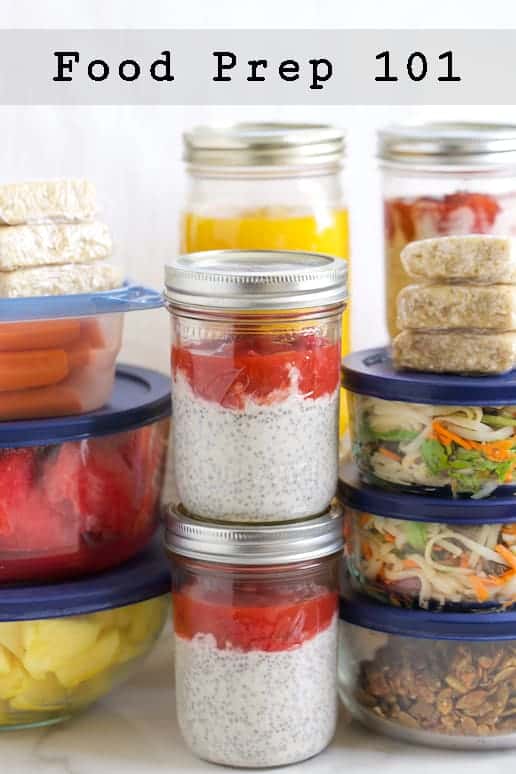
In the whirlwind of modern life, busy weeknights often leave little time for preparing nutritious, home-cooked meals. The allure of takeout or pre-packaged dinners becomes strong, but what if there was a simpler, more effective way to feed yourself and your family well, without the daily scramble? Enter food prep 101: the foundational steps to revolutionize your kitchen routine, reclaim your evenings, and foster healthier eating habits.
Food preparation, or meal prep, isn't just a trend; it's a strategic approach to managing your time, budget, and health. It involves dedicating a block of time to prepare ingredients or entire meals in advance, setting yourself up for delicious, stress-free eating throughout the week. Whether you're a college student tired of cafeteria fare, a working professional juggling deadlines, or a parent striving for wholesome family dinners, mastering these basic steps can make a world of difference.
Why Embrace Food Prep? The Benefits Beyond Convenience
The immediate appeal of food prep is undoubtedly convenience. Imagine coming home after a long day to a fridge stocked with ready-to-assemble meals or pre-portioned ingredients, significantly cutting down on cooking time. But the advantages extend far beyond simply saving minutes in the kitchen:
- Healthier Eating: By planning and preparing your meals, you gain full control over ingredients. This means less processed food, reduced sodium and unhealthy fats, and an increased intake of nutrient-dense whole foods like fruits, vegetables, and lean proteins. It also helps with portion control.
- Significant Cost Savings: Eating out frequently adds up. Food prep minimizes impulse purchases, reduces food waste (as you're using ingredients intentionally), and ensures you get more mileage out of your grocery budget.
- Reduced Stress and Decision Fatigue: One less decision to make each day can be incredibly liberating. Knowing what you're eating takes the mental load off during busy times and prevents the last-minute panic of "what's for dinner?"
- Time Efficiency: While it requires an initial time investment, batch cooking and ingredient prep condense multiple cooking sessions into one, freeing up valuable evening hours for relaxation, hobbies, or family time.
- Wider Culinary Exploration: Planning allows you to experiment with new recipes and incorporate a greater variety of foods into your diet, moving beyond the same few go-to dishes.
The Four Pillars of Successful Food Prep
For many busy individuals, success in food prepping hinges on four key areas. Think of these as the fundamental "big things" you need to master to make food prep a sustainable, positive experience in your life.
Pillar 1: Plan Your Meals Wisely
A successful food prep journey begins long before you step into the kitchen – it starts with a thoughtful plan. This isn't just about picking recipes; it's about strategizing your entire week's eating. Consider your schedule, dietary needs, family preferences, and what ingredients you already have on hand. Do you prefer themed nights (Meatless Monday, Taco Tuesday)? Or do you want to cook versatile components that can be mixed and matched?
Start by outlining your meals for the next few days or the entire week. Look for recipes that share common ingredients or cooking methods to maximize efficiency. Once you have a clear idea, create a detailed shopping list. This list is your roadmap for a focused and positive grocery store experience, preventing forgotten items and impulse buys. A well-planned list also ensures you have "plenty of these on hand," as one expert suggests, referring to the necessary ingredients for your chosen meals.
For more in-depth strategies on optimizing your meal planning process and making the most of your kitchen time, explore our guide on Smart Food Prep: Maximize Your Time & Meal Planning Success.
Pillar 2: Stock Your Kitchen Smartly
Having the right tools and pantry staples is essential for a smooth food prep session. You don't need a gourmet kitchen, but a few key items can significantly enhance your efficiency and storage capabilities.
- Quality Storage Containers: Invest in airtight, durable containers. Glass containers are excellent for reheating and can go from fridge to oven/microwave. BPA-free plastic is lighter and great for packing lunches. Consider a variety of sizes and shapes to accommodate different foods and portions.
- Essential Utensils: Sharp knives, multiple cutting boards (more on this below), measuring cups and spoons, and sturdy spatulas are fundamental.
- Versatile Cooking Appliances: A slow cooker (crock-pot) or Instant Pot is a game-changer for batch cooking, allowing you to prepare large quantities of stews, chilis, or shredded meats with minimal effort. Sheet pans are fantastic for roasting vegetables and proteins simultaneously. A high-speed blender can whip up sauces, smoothies, and purees quickly.
- Pantry Staples: Keep your pantry stocked with basics like grains (quinoa, rice, oats), pasta, canned beans, tomatoes, spices, oils (olive, avocado), vinegars, and broths. These form the base of countless meals and save you last-minute grocery runs.
Pillar 3: Dedicate Your Prep Time
This is where the magic happens! Set aside a specific day or even a couple of shorter blocks during your week that work for you. For many, Sunday is the traditional "prep day," but Saturday afternoon or even a couple of weeknights can be effective. The key is consistency.
During your dedicated prep time, focus on batch cooking and preparing components. This could include:
- Washing and Chopping Produce: Get all your fruits and vegetables ready for the week. Store them properly to maintain freshness.
- Cooking Grains: Prepare a large batch of rice, quinoa, farro, or couscous that can be used as a base for various meals.
- Roasting Vegetables: Toss a variety of vegetables with olive oil and spices and roast them on a sheet pan. Roasted veggies are delicious, versatile, and hold up well.
- Cooking Proteins: Grill chicken breasts, bake salmon, hard-boil eggs, or prepare a big batch of shredded chicken or ground meat. Slow cooker meals, as highlighted by Cassandra Jackson, are incredibly simple and yield "so much out of them," making them perfect for large batches that can even be frozen.
- Making Sauces and Dressings: Prepare your own healthy dressings, marinades, or sauces to elevate your meals.
Remember not to "skimp on the veggies." Incorporating a wide array of colorful vegetables into your prep not only boosts nutrition but also adds flavor and texture to your meals. Make a lot of whatever you prepare; you can always freeze portions for later!
Pillar 4: Master Food Safety and Storage
While convenience and health are paramount, ensuring the safety of your prepared food is non-negotiable. Improper handling can lead to foodborne illness, making your efforts counterproductive. HealthDay News, drawing from foodsafety.gov, emphasizes critical steps to avoid getting sick:
- Wash Your Hands Frequently: Always use soap and hot water for at least 20 seconds before, during, and after handling food.
- Clean All Surfaces Thoroughly: Before and after food prep, sanitize countertops, sinks, and any other surfaces that come into contact with food. This prevents the spread of bacteria.
- Avoid Cross-Contamination: This is crucial. Never use the same cutting board or utensils for raw meat, poultry, or seafood as you do for ready-to-eat foods like vegetables, salads, or cooked items. Designate separate boards or wash them meticulously between uses.
- Cook All Foods to the Proper Temperature: Use a cooking thermometer to ensure meats, poultry, and seafood reach safe internal temperatures. This kills harmful bacteria.
- Don't Leave Food Out: Perishable food (raw or cooked) should not be left at room temperature for more than two hours. After cooking, cool food quickly and refrigerate promptly in airtight containers.
Proper storage extends the shelf life of your prepped meals. Always store items in clean, airtight containers, labeling them with contents and dates. Most prepped meals will last 3-4 days in the refrigerator, while many components can be frozen for several weeks or even months. For a deeper dive into protecting yourself and your family from foodborne illnesses, read our comprehensive guide on Food Prep Safety Essentials: Stop Germs & Stay Healthy.
Beyond the Basics: Tips for Long-Term Food Prep Success
Once you've mastered the fundamentals of food prep 101, here are a few extra insights to help you sustain this beneficial habit:
- Start Small: Don't try to prep every single meal for the entire week from day one. Begin by preparing lunches for a few days, or just dinner components. Gradually increase your scope as you gain confidence and efficiency.
- Embrace Flexibility: Life happens. Some weeks you might only manage minimal prep, and that's okay. Don't let perfection be the enemy of good. Adapt your prep strategy to fit your current schedule and energy levels.
- Vary Your Meals: To prevent boredom, rotate your recipes and experiment with different flavors and ingredients. Use versatile components (like plain roasted chicken) that can be repurposed into different dishes throughout the week (e.g., in salads, wraps, or pasta).
- Involve the Family: Make food prep a family activity! Even young children can help wash vegetables, while older kids can assist with chopping or assembly. This fosters a sense of teamwork and teaches valuable life skills.
- Learn to Love Your Freezer: Your freezer is your best friend for food prep. Cook double batches of freezable meals like chili, lasagna, soups, or casseroles. Proper freezing allows you to have homemade meals ready to go for those truly chaotic days.
Food prep is more than just cooking ahead; it's an investment in your well-being. By following these simple steps, you're not just preparing meals; you're building a foundation for a healthier, less stressed, and more fulfilling lifestyle. So, set aside your prep day, make that list, and embark on your rewarding journey into the world of food prep!
