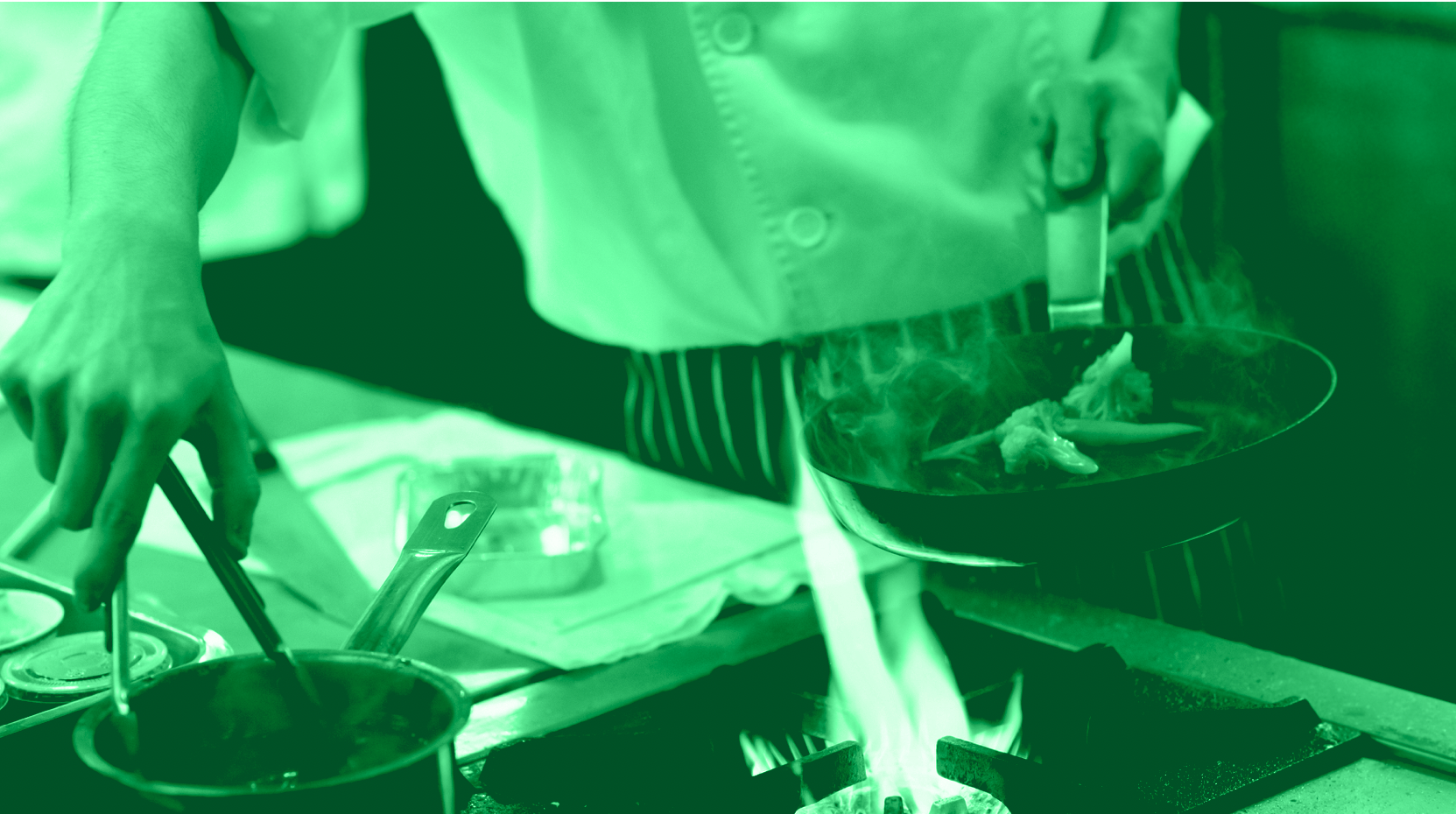
Understanding the Risks: Why Food Safety Matters in Food Prep 101
There's immense satisfaction in preparing your own meals – whether you're a busy professional seeking healthier options, a college student escaping cafeteria monotony, or simply someone looking to streamline their week. However, the convenience and nutritional benefits of food prep 101 come with a crucial caveat: safety. Improper food handling can quickly turn a wholesome meal into a source of foodborne illness, affecting you, your family, or your housemates.
Foodborne illnesses, often caused by bacteria like Salmonella, E. coli, and Listeria, can lead to unpleasant symptoms ranging from nausea and vomiting to fever and severe dehydration. In vulnerable populations, such as young children, the elderly, or those with compromised immune systems, these illnesses can be particularly dangerous. The good news? Most foodborne illnesses are entirely preventable with simple, diligent safety practices. Mastering these essentials is the true foundation of successful food prep 101.
A key concept to understand is the "Danger Zone" – the temperature range between 40°F and 140°F (4°C and 60°C). This is where harmful bacteria multiply most rapidly. Foods left in this zone for too long, whether raw or cooked, become breeding grounds for germs that can make you sick. Our goal in food prep safety is to keep foods out of this zone as much as possible, or move them through it quickly and safely.
The Pillars of Safe Food Prep: Your Essential Guide to Stopping Germs
Effective food preparation isn't just about chopping vegetables and seasoning proteins; it's about creating a safe environment and following protocols that minimize the risk of contamination. Here are the fundamental pillars of food prep safety, designed to help you stop germs and stay healthy.
1. Immaculate Hands & Pristine Surfaces: The First Line of Defense
Before any ingredient even touches a cutting board, your hands and work area must be clean. This seemingly basic step is incredibly effective in preventing the spread of germs.
- Wash Your Hands Frequently and Thoroughly: It's not enough to just rinse them. Use warm water and soap, lathering for at least 20 seconds (the time it takes to sing "Happy Birthday" twice). Wash your hands before you start prepping, after handling raw meat, poultry, seafood, or eggs, after touching your face or hair, after using the restroom, and before eating. This simple act is perhaps the most critical step in preventing cross-contamination.
- Clean and Sanitize All Surfaces: Before you place any food on your countertops, cutting boards, or in bowls, ensure they are thoroughly clean. Wash them with hot, soapy water, then rinse and air dry or dry with a clean paper towel. For an extra layer of protection, consider using a sanitizing solution (such as a diluted bleach solution or commercial kitchen sanitizer) after cleaning, especially when dealing with raw meats. Remember to clean these surfaces again immediately after use.
2. Preventing Cross-Contamination: Keeping Foods Separate
Cross-contamination occurs when bacteria from one food item, typically raw meat, poultry, or seafood, are transferred to another food, often one that will be eaten raw or cooked less thoroughly. This is a common culprit in foodborne illness.
- Use Separate Cutting Boards and Utensils: Dedicate one cutting board (and ideally separate knives) specifically for raw meats, poultry, and seafood. Use another for fresh produce, bread, and ready-to-eat foods. Many people opt for different colored cutting boards to easily distinguish them. If you only have one board, wash and sanitize it thoroughly between uses for different food types.
- Store Foods Separately: In your refrigerator, always store raw meats, poultry, and seafood on the bottom shelf, below other foods. This prevents any drips or juices from contaminating ready-to-eat items or fresh produce. Use sealed containers or bags to further prevent leakage.
- Keep Them Apart While Shopping: Even at the grocery store, keep raw meats, poultry, and seafood separated from other groceries in your cart and shopping bags.
3. Cooking to Perfection: Reaching Safe Internal Temperatures
Cooking foods to the correct internal temperature is essential to kill harmful bacteria that might be present. Visual cues like color or texture are not reliable indicators of doneness.
- Invest in a Food Thermometer: This is arguably one of the most important tools in your food prep arsenal. A reliable meat thermometer is the only way to accurately determine if food has reached a safe internal temperature. Insert the thermometer into the thickest part of the food, away from bone or fat.
- Know Your Safe Temperatures:
- Poultry (whole, ground, pieces): 165°F (74°C)
- Ground Meats (beef, pork, veal, lamb): 160°F (71°C)
- Fresh Beef, Veal, Lamb, Pork (steaks, roasts, chops): 145°F (63°C) with a 3-minute rest time
- Fish: 145°F (63°C) or until flesh is opaque and flakes easily
- Leftovers and Casseroles: 165°F (74°C)
- Rest Times Matter: For whole cuts of meat, allowing them to rest for a few minutes after cooking helps the juices redistribute, resulting in a more tender and flavorful product, and also ensures the internal temperature continues to rise slightly, further eliminating bacteria.
4. The Chill Factor: Refrigeration and Storage Savvy
Once food is cooked or prepped, it needs to be stored correctly to maintain safety and freshness. This means keeping it out of the Danger Zone.
- Adhere to the "Two-Hour Rule": Perishable foods (raw or cooked) should not be left at room temperature for more than two hours. If the ambient temperature is above 90°F (32°C), this window shrinks to just one hour. Promptly refrigerate or freeze food after preparation.
- Cool Foods Quickly: To expedite cooling, divide large quantities of hot food into smaller, shallow containers. You can also place hot containers in an ice bath or stir food over ice to help it cool down rapidly before refrigeration. Never put large, hot containers directly into the fridge, as this can raise the overall temperature of the refrigerator, putting other foods at risk.
- Proper Storage Containers: Use airtight, clean containers to store prepped food in the refrigerator or freezer. This prevents spoilage, maintains freshness, and protects against potential cross-contamination. Label containers with the date of preparation to track freshness.
- Understanding Freezer Storage: Freezing halts bacterial growth, keeping food safe indefinitely, though quality may decline over time. For best quality, use frozen prepped meals within 3-6 months. When thawing, do so safely in the refrigerator, in cold water (changing water every 30 minutes), or in the microwave (cook immediately after). Never thaw food on the counter.
Beyond Safety: Practical Tips for Efficient & Healthy Food Prep 101
While safety is paramount, efficient food prep also incorporates smart planning and execution. Integrating these practices will not only keep you healthy but also save you time and stress during busy weeks.
- Plan Ahead for Success: Before you even step into the kitchen, dedicate time to planning your meals. Decide what you want to cook for the week, create a detailed shopping list, and set aside a specific day or a few hours for your Smart Food Prep: Maximize Your Time & Meal Planning Success. Approaching food prep with a clear plan makes the process enjoyable and less overwhelming.
- Equip Your Kitchen: Having the right tools makes all the difference. Beyond a reliable food thermometer, invest in plenty of airtight, BPA-free food storage containers of various sizes, good quality knives, and multiple cutting boards.
- Embrace Batch Cooking and Versatility: Cooking in larger quantities is a hallmark of efficient food prep. Utilize appliances like slow cookers for effortless meals that yield multiple servings, or roast large batches of vegetables and proteins that can be used in different dishes throughout the week. Don't skimp on the veggies; they add essential nutrients and bulk to your meals. Think about preparing versatile components – cooked grains, roasted chicken, or chopped vegetables – rather than entire pre-assembled meals. This offers flexibility and prevents meal fatigue.
By integrating these safety essentials into your routine, you transform food prep from a potential hazard into a powerful tool for healthy living. It's about empowering yourself with knowledge and good habits, ensuring every meal you prepare is not only delicious and convenient but also undeniably safe. Embrace these principles of food prep 101, and enjoy the peace of mind that comes with knowing you're protecting your health and the health of those you feed.
