Smart Food Prep: Maximize Your Time & Meal Planning Success
In today's fast-paced world, finding the time and energy to prepare nutritious, home-cooked meals often feels like an uphill battle. Between work, family, and personal commitments, the allure of takeout or pre-packaged foods can be strong. But what if there was a simple, sustainable way to reclaim your kitchen, your health, and your precious free time? Enter food prep 101 – the essential guide to revolutionizing your eating habits and simplifying your life. Food preparation isn't just about cooking ahead; it's a strategic approach to meal planning that empowers you to eat healthier, save money, and reduce daily stress. Whether you're a busy professional, a student navigating new responsibilities, or a parent juggling multiple schedules, understanding the fundamentals of smart food prep can transform your week. This comprehensive guide will walk you through the core principles, practical tips, and crucial safety measures to make your food prep journey a resounding success.Why Smart Food Prep is Your Secret Weapon
Many of us are perpetually busy, constantly seeking ways to optimize our schedules and reduce decision fatigue. Food prep directly addresses these challenges, offering a multitude of benefits that extend far beyond just having meals ready to eat.- Reclaim Your Time: Imagine arriving home after a long day and having a delicious, prepped meal ready in minutes. Food prep consolidates your cooking efforts into one or two dedicated sessions, freeing up evenings for relaxation, hobbies, or family time.
- Eat Healthier, Consistently: When healthy options are readily available, you're less likely to reach for unhealthy snacks or rely on last-minute, less nutritious choices. Food prep allows you to control ingredients, portion sizes, and ensure a balanced diet rich in vegetables and lean proteins.
- Slash Your Grocery Bill: Planning meals in advance and buying ingredients with a purpose reduces impulse purchases and food waste. You'll only buy what you need, use ingredients efficiently across multiple dishes, and avoid expensive last-minute takeout orders.
- Reduce Stress & Decision Fatigue: The "what's for dinner?" dilemma can be a daily source of stress. With meals prepped, that mental burden is lifted, giving you peace of mind and more mental energy for other tasks.
- Boost Your Culinary Confidence: As you become more adept at planning and preparing food, you'll naturally develop new cooking skills and discover a wider array of delicious recipes, making cooking an enjoyable experience rather than a chore.
Food Prep 101: The Essential Pillars of Success
To truly succeed at food prepping, there are four fundamental pillars that, when understood and implemented, will make the process smooth, efficient, and enjoyable. These aren't just steps; they're interconnected strategies that form the backbone of successful meal planning.Pillar 1: Strategic Planning & Meal Vision
The journey to successful food prep begins long before you even step into the kitchen. It starts with a clear vision and meticulous planning.Before you even think about cooking, consider:
- Your Schedule: How many meals do you need to prep for? The next day, a few days, or the entire week? Tailor your prep to your schedule.
- Dietary Needs & Preferences: Factor in any allergies, dietary restrictions (vegetarian, gluten-free, etc.), and your personal taste preferences. Don't forget to include plenty of veggies – they're key to a balanced diet and can be prepped in numerous ways.
- Recipe Selection: Choose recipes that are suitable for batch cooking and reheat well. Think about ingredients that can be used in multiple dishes to reduce waste and complexity. Crock-pot meals, for example, are incredibly simple and yield generous portions that can be easily frozen.
- The Master List: Once you have your meals planned, create a detailed grocery list. Organize it by supermarket section to save time while shopping. Having a clear list is paramount to an efficient and positive shopping experience.
Pillar 2: Efficient Grocery Shopping
With your meal plan and grocery list in hand, your shopping trip becomes a mission, not a meandering stroll.- Stick to Your List: Avoid impulse buys that can derail your budget and meal plan.
- Bulk Buying Smart: If you have storage space, consider buying non-perishable staples, grains, and frozen meats in bulk.
- Focus on Versatile Ingredients: Purchase ingredients that can be incorporated into several different meals throughout the week. For example, a large bag of spinach can go into smoothies, salads, and cooked dishes.
Pillar 3: Smart Cooking Strategies (Batch Cooking & Beyond)
This is where the magic happens. Setting aside a dedicated day or even two for your prep is crucial. Weekends are popular, but choose whatever days work best for you.- Embrace Batch Cooking: Cook large quantities of staple components like grains (quinoa, brown rice), roasted vegetables, and proteins (chicken breast, ground turkey, beans). These can then be mixed and matched into various meals.
- Leverage Your Appliances:
- Slow Cookers/Crock Pots: As mentioned in our reference, these are fantastic for hands-off cooking of stews, chilis, shredded meats, and curries. Food Prep 101: Simple Steps for Busy Weeknight Meals often highlights these time-saving methods.
- Sheet Pans: Roast multiple vegetables and proteins simultaneously for easy cleanup.
- Instant Pots/Pressure Cookers: Great for quickly cooking grains, beans, and tough cuts of meat.
- Pre-Chop & Pre-Portion: Dice onions, mince garlic, chop vegetables, and wash salad greens. Portion out snacks like nuts or fruit.
Pillar 4: Proper Storage & Organization
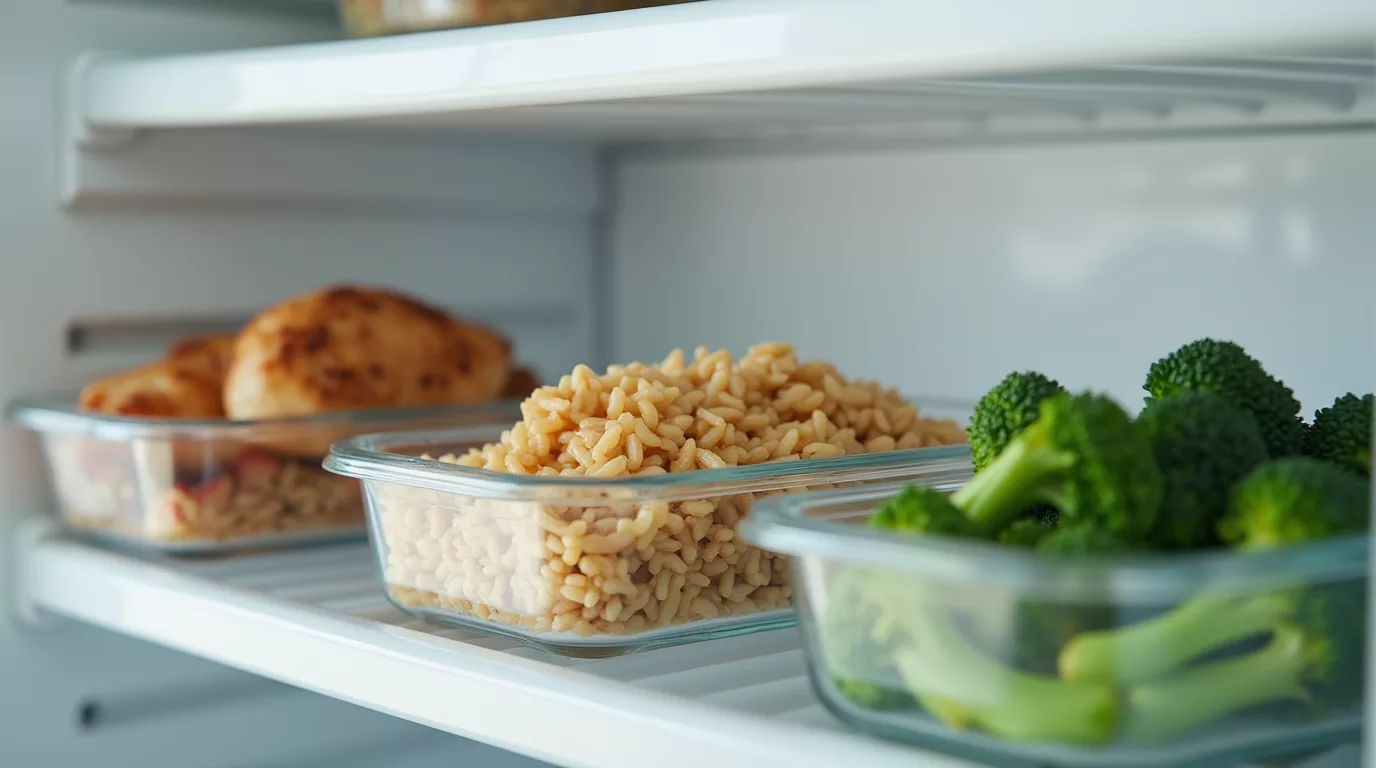
After all your hard work, proper storage is essential to maintain freshness and safety.- Invest in Quality Containers: Airtight, stackable, and microwave-safe containers (glass or BPA-free plastic) are invaluable.
- Cool Before Storing: Always allow cooked food to cool completely before refrigerating or freezing to prevent condensation and bacterial growth.
- Label Everything: Include the date and contents on your containers. This helps with inventory and ensures you eat food within its safe storage window.
- Understand Storage Lifespans: Most prepped meals last 3-5 days in the refrigerator. Cooked grains typically last 3-4 days. For longer storage, embrace freezing.
Prioritizing Safety: Food Prep 101 for a Healthy Kitchen
While efficiency is key, food safety is paramount. Improper handling of food can lead to foodborne illnesses, so it's critical to follow established guidelines. Your health and the health of anyone sharing your meals depend on it.- Wash Your Hands Frequently: This is the absolute first step. Always wash your hands with soap and hot water for at least 20 seconds before, during, and after handling food, especially when switching between raw and cooked ingredients.
- Clean and Sanitize Surfaces: Thoroughly clean all countertops, cutting boards, and utensils with hot, soapy water before and after preparing food. Sanitize surfaces with a diluted bleach solution or food-safe sanitizer.
- Prevent Cross-Contamination: Use separate cutting boards and utensils for raw meats, poultry, seafood, and eggs, versus ready-to-eat foods like fruits and vegetables. Never place cooked food back on a plate that held raw meat.
- Cook to Proper Temperatures: This is non-negotiable. Use a reliable cooking thermometer to ensure all foods reach their safe internal temperatures. For example, poultry should reach 165°F (74°C), ground meats 160°F (71°C), and steaks/roasts 145°F (63°C) with a 3-minute rest. Guessing is not an option when it comes to safety.
- Refrigerate Promptly: The "danger zone" for bacterial growth is between 40°F and 140°F (4°C and 60°C). Do not leave raw or cooked food out of the refrigerator for more than two hours (or one hour if the ambient temperature is above 90°F/32°C). Divide large portions into smaller, shallow containers to help them cool faster in the fridge. For a deeper dive into safe practices, check out our guide on Food Prep Safety Essentials: Stop Germs & Stay Healthy.
Making Food Prep Enjoyable & Sustainable
Food prep shouldn't feel like a chore that leads to burnout. To ensure it becomes a sustainable habit, focus on making it an enjoyable part of your routine.- Start Small: Don't try to prep every single meal for the entire week on your first try. Begin with just breakfasts and lunches, or focus on prepping ingredients for 2-3 dinners.
- Create a Positive Environment: Put on some music, listen to a podcast, or even invite a friend to help. Make your prep time something you look forward to.
- Don't Be Afraid to Experiment: While sticking to tried-and-true recipes is great, occasionally introduce new flavors or cooking methods to keep things exciting.
- Be Flexible: Life happens. If one week you can only manage a minimal prep, that's okay. The goal is progress, not perfection.
- Focus on Nutrient Density: Remember Cassandra Jackson's advice: "Don't skimp on the veggies." Incorporate a colorful variety of fruits and vegetables into every meal. They add flavor, texture, and essential nutrients.
- Embrace Freezing: If you make a large batch of something, freeze portions for future busy days. Properly frozen meals can last for months, offering immense convenience.
